
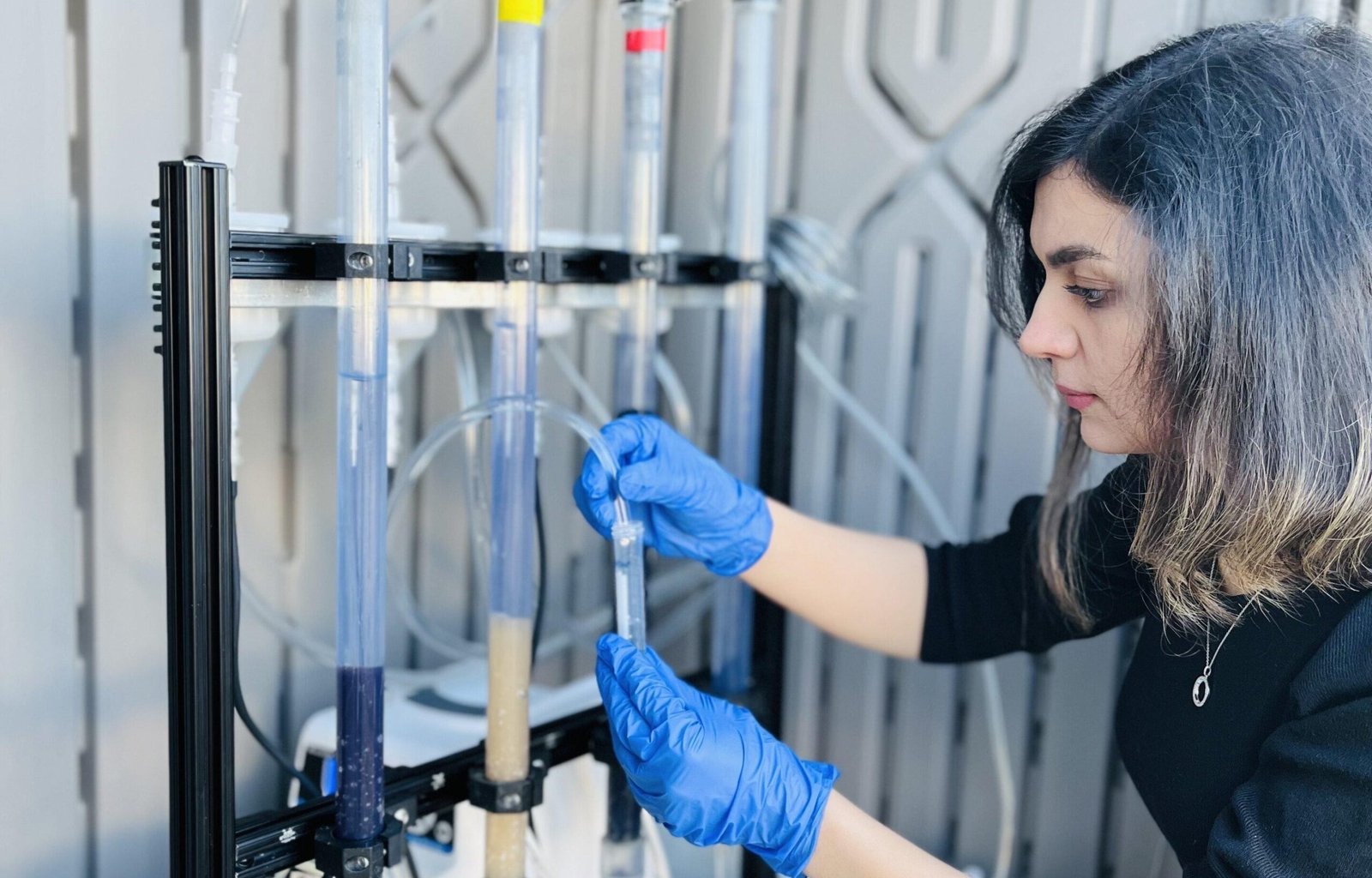
In an era of rapid urbanization, chemical groundwater pollution, and climate shifts, the need for innovative water purification solutions is more critical than ever. Research and development (R&D) of advanced filtration systems plays a vital role in addressing the challenges faced by households and the water treatment industry as a whole. By focusing on creating resilient, high-recovery, and sustainable purification technologies, we can ensure absolute drinking water safety while minimizing water wastage and environmental impact. This post explores the importance of R&D in purification development, the engineering methodologies involved, and some promising new filtration technologies that are changing the landscape of clean water supply.
The Importance of R&D in Water Purification Development
The global urban population is expanding rapidly, putting immense pressure on our municipal and groundwater systems to deliver safe drinking water with high contaminant loads. Traditional purifiers often struggle to meet this demand due to various factors, including heavy metal toxicity, poor adaptation to fluctuating TDS levels, and membrane scaling. R&D in new purification mechanisms can address these issues by focusing on traits such as:
- High-TDS and Heavy Metal Rejection: Developing advanced semi-permeable membranes that can safely filter extreme mineral concentrations ensures families can maintain protection even when input water quality drops.
- Pathogen and Microbial Resistance: New sterilization modules can be engineered or integrated to combat emerging waterborne bacteria and viruses, reducing reliance on chemical disinfectants and promoting safe drinking practices.
- Nutritional Mineral Enhancement: Researching and developing post-RO alkaline and mineral infusion stages can improve the health profile of purified water, addressing mineral deficiency and ensuring optimal pH balance.
Methodologies in Purification R&D
The process of researching and developing new purification technologies involves several methodologies that combine traditional multi-stage filtration techniques with modern scientific advancements:
- Conventional Multi-Stage Filtering: This method involves combining sediment filters, carbon blocks, and RO layers in sequence to catch impurities step-by-step. While standard, conventional engineering has led to significant foundational advances in purifier reliability over the decades.
- Nanotechnology and Advanced Membrane Engineering: With the advent of modern materials science, scientists can now modify membrane structures at the molecular level to introduce specific contaminant rejection properties. For example, thin-film composite membranes can be designed to withstand heavy chemical loads or high pressure, thus enhancing purity and reducing water wastage.
- Smart Sensor-Assisted Selection: This technique uses digital conductivity sensors linked to automated electronic valves to expedite system diagnostics. By identifying performance shifts, researchers can design units that select and adjust filtration parameters more efficiently, speeding up response times to water quality changes.
- Automated Self-Cleansing Protocols: Technologies like smart auto-flush controllers allow for precise maintenance routines within the system. This revolutionary method can keep membranes clean from scaling without requiring frequent manual servicing, addressing operational concerns associated with traditional systems.
Promising New Purification Technologies
Several new purification features have emerged from research and development efforts, showcasing the potential benefits of R&D in the water treatment sector:
- High-Recovery RO Systems: Developed through advanced fluid dynamics and membrane engineering, high-recovery systems significantly reduce water rejection ratios in areas facing severe water scarcity. These units can recover maximum clean water, making them invaluable for sustainable household use.
- Bio-Enriched Alkaline Cartridges: Varieties like mineral-infused post-filters, enriched with essential calcium and magnesium, address nutritional balance in water treated by aggressive reverse osmosis. R&D efforts have made it possible to create systems that not only provide safe hydration but also essential health minerals.
- Self-Sterilizing UV/UF Chambers: Advanced ultraviolet and ultrafiltration chambers have been developed to eliminate pathogens on contact, reducing the need for manual tank scrubbing. This approach increases water safety and promotes hygienic maintenance practices.
- Smart Connected Purifiers: New digital monitoring modules are being developed to improve real-time tracking of filter lifespan and water quality. These smart devices are gaining popularity due to their convenience, predictive maintenance alerts, and reliability.
0 Comments